Modern SCADA & IT/OT Integration: The Future of Automation



Meet PLCnext Technology—a networking powerhouse bridging IT and OT with ease. Powered by open Linux-based controllers, it supports industrial protocols like OPC UA, MQTT, PROFINET, and PROFIBUS and various more protocols, giving your machines full communication fluency across legacy and modern systems alike. From edge to cloud, PLCnext Technology keeps your data flowing seamlessly.
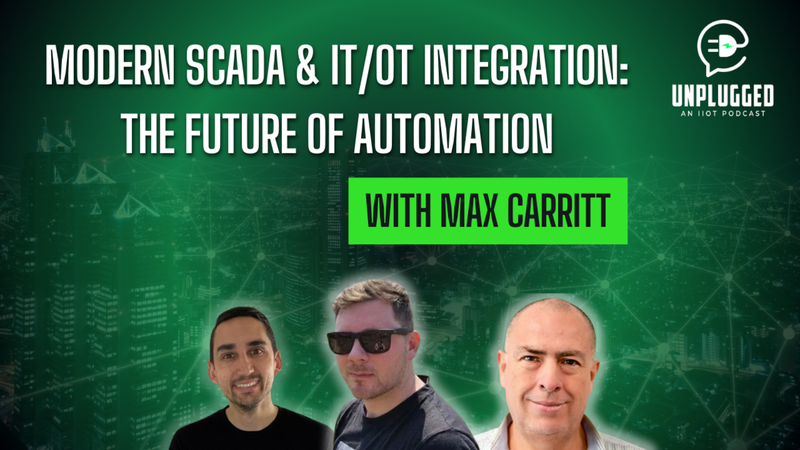
Industrial automation leaders, engineers, and technology managers will find this episode with Phil Seboa, Ed Fuentes, and guest Max Carritt both informative and practical. The discussion focuses on hands-on lessons gained from SCADA implementations, the cultural differences in controls engineering between the US and Europe, and the shift toward advanced technology and DevOps practices in automation, all relevant for those seeking to build effective, modern industrial systems.
Max Carritt points out that real progress in automation often starts with direct, hands-on work. He shares how his entry into controls engineering involved summer internships at gas processing plants, where immersion in large-scale projects led to rapid learning—and the occasional sense of overwhelm. “The learning by fire hose method is pretty good,” Max Carritt reflects. Spending 12-to-14-hour days on site, he experienced technology, jargon, and team dynamics that textbooks can’t provide. The episode illustrates how real-world exposure accelerates understanding, especially in high-stakes environments like oil and gas, and how sticking with a project through its lifecycle is what “makes it successful.” For companies hiring or developing talent, fostering these immersive experiences pays dividends—early-career engineers quickly build confidence and practical skill, which translates to smoother project execution.
A central theme for the episode’s audience is understanding how regional cultures shape career paths, team interaction, and expectations in automation. When Max Carritt moved from the US to Europe, two key differences stood out. First, U.S. engineers “fall into” controls work with less formal structure, often learning on the job, while in Europe, controls engineering follows a defined educational track, typically Siemens-based. Second, he noticed greater collaboration in European environments, saying, “I do wish deep down that US controls engineering would actually move away from this, do-it-by-yourself and fight through it on your own to… let’s all learn from each other, let’s do code reviews, let’s create a common structure.” These insights are vital for hiring managers, team leads, and integrators working internationally or looking to build effective, resilient teams. A structured, collaborative approach can lead to faster problem-solving, fewer errors, and higher overall satisfaction among engineers.
For today’s automation professionals, managing complex systems means adopting new tools and ways of working. Max Carritt highlights the move to platforms like Ignition for SCADA, favoring flexibility, rapid deployment, and scriptability—qualities he found were lacking in legacy solutions. He’s enthusiastic about the spread of DevOps-style practices (like source control with Git, containerization, and automating repetitive tasks), particularly as industrial architectures become more complex and data-driven. At industry events, Max Carritt notes, “There was a lot of talk about [enterprise-scale DevOps], but when asked, few are actually using Git for Ignition.” This gap shows an opportunity for forward-thinking organizations: those who structure their projects with modern IT principles will see benefits in scalability, maintainability, and rapid development, staying ahead as digital and automation technologies continue to advance.
“I think that maybe we should start considering that we need to start training people to sit in the space between IT and OT.” — Max Carritt
Today’s industrial automation landscape rewards practical, hands-on learning, structured collaboration, and the willingness to bring in modern development tools and practices. By exposing engineers early to real projects, building clear and collaborative teams, and adopting IT-inspired workflows, organizations lay the groundwork for more effective, scalable, and resilient systems. Those looking to improve their automation outcomes should support on-the-ground learning, facilitate knowledge-sharing and code review, and prioritize DevOps adoption—with a sharp eye on both tech potential and user needs.
Actionable suggestions:
Max Carritt is an automation and SCADA specialist with a decade of hands-on experience across industries and countries. After starting in the U.S. integrating SCADA and controls systems, he moved to Europe, where he consults as a freelancer focused on Ignition SCADA, DevOps, and advanced industrial software practices. He is known for practical tutorials and content that help engineers worldwide adopt new tools and methods.
PLCnext Technology is the ecosystem for industrial automation consisting of open hardware, modular engineering software, a global community, and a digital software marketplace.
PLCnext Technology connects the IT and OT worlds
Make your application fit for IIoT and Industry 4.0
Digitalization and globalization are placing new demands on industrial automation. The precisely tailored design of the open automation system is just as important as flexible, modular expansion. In addition to standard programming of PLC systems in accordance with IEC 61131-3, parallel programming and the combination of programming languages such as C/C++, C#, and Matlab® Simulink® in real time is also possible with PLCnext Control. Accelerate your application development process with the free basic version of PLCnext Engineer. Or use your familiar programming environment. You decide.
With simple cloud integration, the option to use open source software, and the ever-expanding expertise of the PLCnext Community, you will benefit from new forms of collaboration. The resulting solution apps, software modules, runtime systems, and function extensions are available in the PLCnext Store and save an enormous amount of time and money when creating applications. This makes PLCnext Technology the ideal ecosystem for your modern automation challenge.